MBBR SYSTEM
LitendaTech not only provides professional wastewater treatment equipment, but also customizes solutions for your wastewater treatment process or product problems. You are welcome to contact our wastewater treatment engineer Kate and let her solve your problem. If you don’t find a product that suits your situation, please contact us and we will provide you with a customized solution.
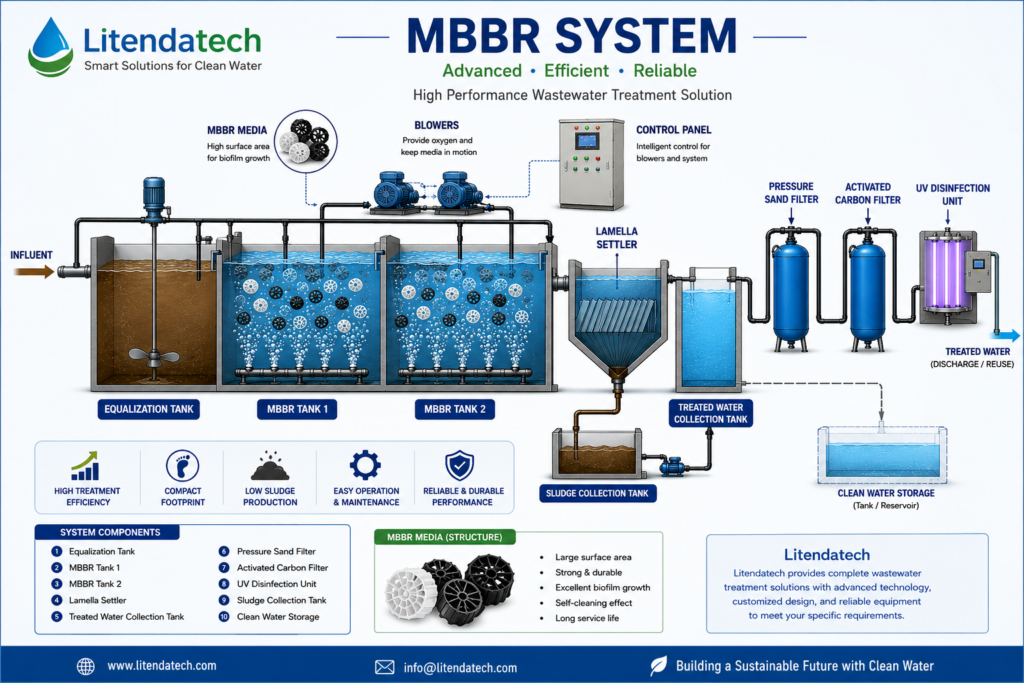
Composition of the MBBR System
An MBBR (Moving-Bed Biofilm Reactor) system includes a reactor, carriers, aeration devices, retention screens, and a control system. Wastewater enters the reactor and contacts microorganisms attached to carriers for biodegradation. Aeration supplies oxygen to support microbial activity and improve treatment efficiency. Retention screens prevent carrier loss, while the control system monitors operations to ensure stable and efficient wastewater treatment performance.
Working Principle of the MBBR System
The principle of the MBBR process involves adding a certain amount of suspended carriers to the reactor, which increases the biomass and diversity of microorganisms, thus enhancing the reactor’s treatment efficiency. Its working principle is as follows:
Aeration Tank: In the aeration tank, wastewater comes into full contact with suspended carriers, where microorganisms attach to the surface of the carriers to form a biofilm. The aeration system provides oxygen, promoting microbial metabolism, allowing for the degradation of organic matter.
Biofilm: The biofilm consists of various microorganisms, including aerobic, anaerobic, and facultative bacteria, with strong adsorption and degradation capabilities. As the biofilm grows and renews, older biofilm detaches and is carried away by the water flow, while new biofilm forms on the surface of the carriers, maintaining system stability.
Fluidized State: Aeration and water flow keep carriers suspended for efficient mixing and faster reactions. Simultaneous nitrification and denitrification convert ammonia into nitrogen gas, effectively removing nitrogen and improving wastewater treatment performance.
Solid-Liquid Separation: After treatment, wastewater undergoes sedimentation or filtration to separate microorganisms and carriers from the effluent. MBBR systems provide high treatment efficiency, resistance to shock loads, low clogging risk, minimal maintenance, no backwashing requirement, and reliable long-term performance for wastewater treatment plants.
Advantages of the MBBR System
As an efficient wastewater treatment technology, MBBR (Moving-Bed Biofilm Reactor) has many notable advantages, as detailed below:
·High Treatment Efficiency
Large Microbial Attachment Capacity: The carriers in theMBBR systems achieve high treatment efficiency through large microbial attachment capacity and effective contact reactions. The suspended carriers provide extensive surface area for biofilm growth, increasing microorganism concentration and improving pollutant degradation. In the reactor, carriers remain in a fluidized state, ensuring thorough mixing with wastewater and enhancing mass transfer efficiency. This allows pollutants to quickly reach microorganisms for absorption and decomposition, resulting in faster reaction rates and improved wastewater treatment performance.
·Small Footprint
High-Load Operation: Due to the high biomass and excellent mass transfer conditions of the MBBR systems require a small footprint due to their high-load operation and compact design. The high biomass concentration and efficient mass transfer allow greater treatment capacity within smaller reactor volumes compared to traditional activated sludge systems. Additionally, MBBR systems do not require large sludge recirculation units or secondary sedimentation tanks, reducing space requirements further. This compact structure makes MBBR technology ideal for wastewater treatment plants in areas with limited land availability.
·Strong Operational Stability
Stable Biofilm: MBBR systems offer strong operational stability due to their stable biofilm structure and high resistance to shock loads. Microorganisms attached to the carriers adapt well to changes in wastewater quality and flow, maintaining consistent treatment performance. The biofilm and carriers also provide a buffering effect against sudden increases in organic or hydraulic loads. This allows microorganisms to quickly adjust their metabolic activity, ensuring efficient pollutant degradation and reliable system operation under varying conditions.
·Low Sludge Production
Biofilm Renewal: Microorganisms in the MBBR systems produce low sludge due to the slow growth and natural renewal of biofilms on carrier surfaces. Unlike traditional activated sludge processes, excess biofilm detaches gradually in smaller amounts, making separation easier during sedimentation. The system also has a low sludge yield coefficient, generating less sludge for each unit of pollutant removed. This reduces sludge handling and disposal costs, simplifies plant operation, and lowers the risk of secondary environmental pollution from sludge treatment processes.
·Easy Operation and Maintenance
No Sludge Recirculation Needed: Unlike the traditional activated sludge process, the MBBR systems are easy to operate and maintain because they do not require a complex sludge recirculation system. This reduces equipment costs, maintenance workload, and operational issues such as sludge bulking or sludge loss. The suspended carriers have excellent fluidization and anti-clogging properties, preventing blockage by suspended solids and sludge. As a result, frequent backwashing is unnecessary, lowering maintenance costs and labor requirements. These advantages ensure reliable long-term operation, simplified management, and stable wastewater treatment performance in various applications.
·Wide Applicability
Strong Water Quality Adaptability: The MBBR system can adapt to various types and qualities of wastewater, including domestic wastewater, industrial wastewater, and their mixtures. By adjusting carrier types, microbial communities, and operating parameters, the system can achieve good treatment results in different water quality environments, offering high versatility and flexibility.
Ability to Treat Low-Concentration Wastewater: The MBBR system can effectively treat low-concentration wastewater. Due to its high biofilm activity and excellent mass transfer performance, microorganisms can still efficiently absorb and decompose pollutants even at low concentrations, ensuring compliance with discharge standards.
With its high treatment efficiency, small footprint, strong operational stability, low sludge production, ease of operation and maintenance, and wide applicability, the MBBR system has gained widespread application and recognition in the field of wastewater treatment.
Application Cases of the MBBR System
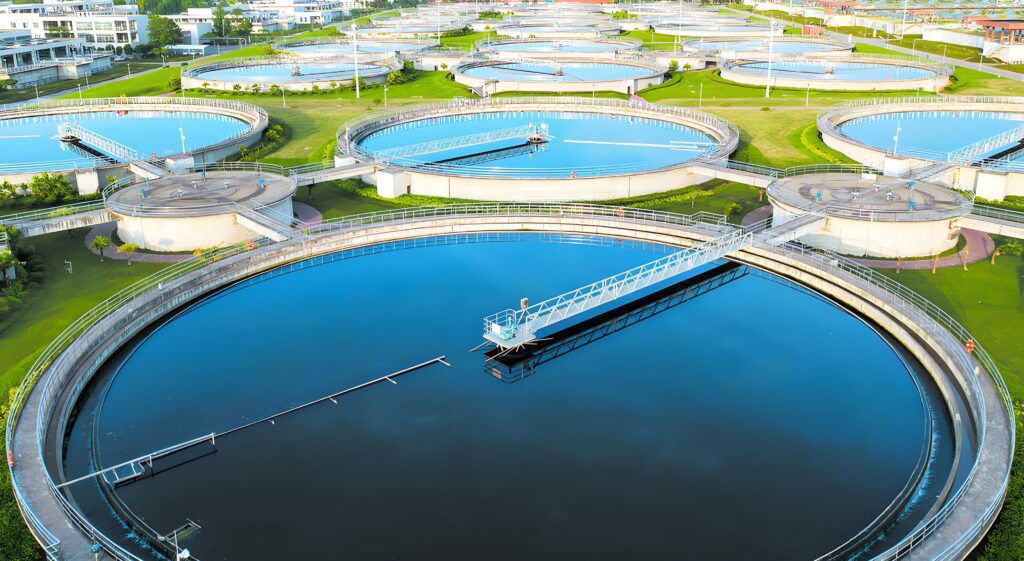
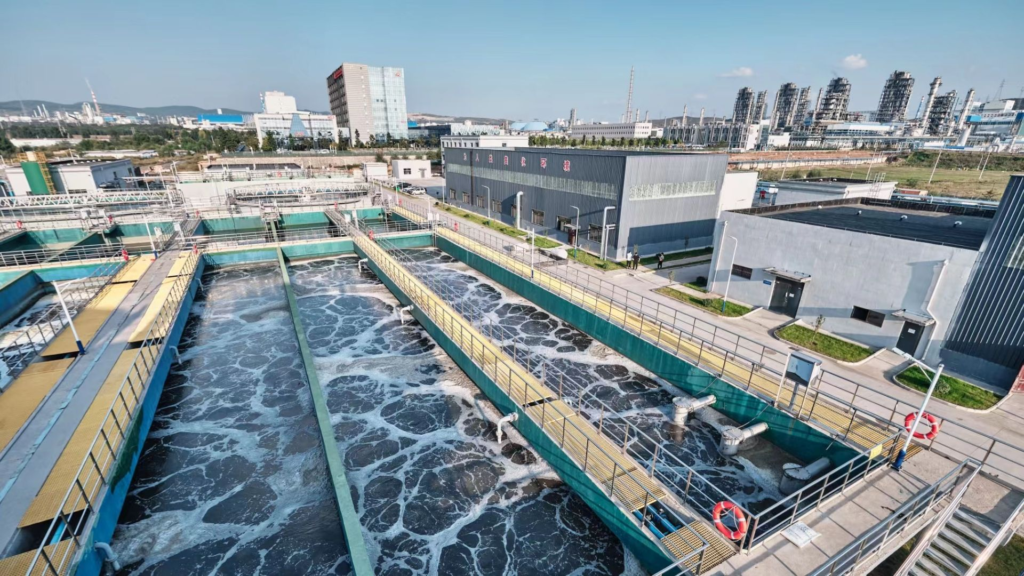
Municipal Wastewater Treatment Case
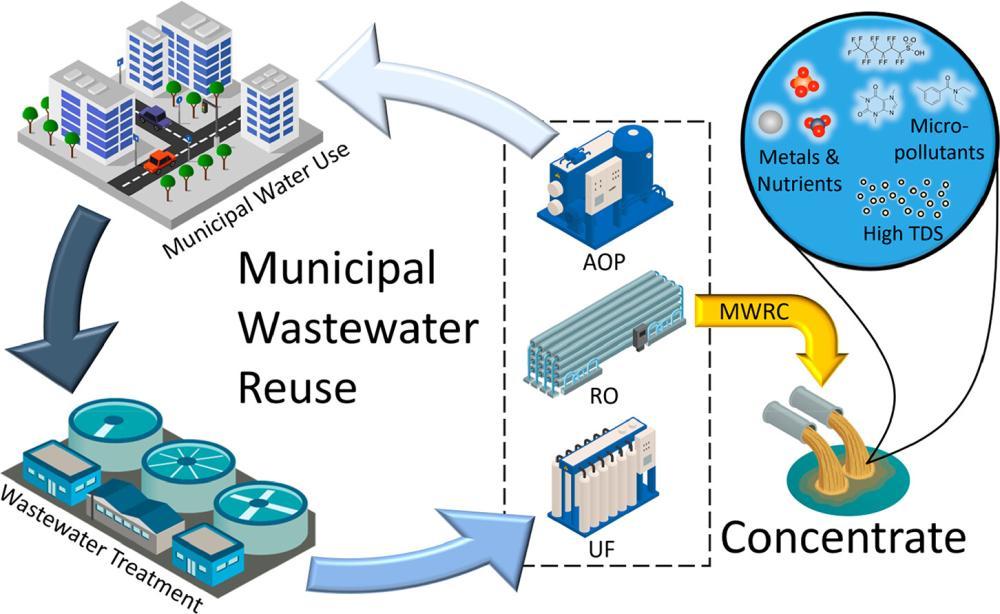
Municipal wastewater treatment is the process of removing contaminants from sewage and wastewater generated by homes, industries, and commercial buildings before releasing the treated water back into the environment.
A typical treatment plant includes:
- Screening
- Primary Treatment
- Aeration System
- Secondary Clarification
- Sludge Treatment
- Disinfection
Project Details
MBBR Media Performance Data Sheet
Proven Performance Across Diverse Wastewater Treatment Applications
| High Efficiency — Superior pollutant removal | Easy Retrofit — Minimal downtime and simple integration | Cost Effective — Lower O&M and sludge disposal costs | Reliable Performance — Consistent results across industries |
| Application Scenario | Key Target Pollutants | MBBR Media Dosing Parameters | Key Treatment Efficiency | Key Advantages |
| Municipal Wastewater Treatment Plant in Europe (Renovation) | Ammonia nitrogen | Specific surface area: 800 m²/m³ | Ammonia nitrogen removal rate: >95% | Short downtime, operationCost increased by only 10% |
| Kuala Sawah Regional Sewage Treatment Plant in Malaysia (Renovation) | BOD₅, COD, ammonia nitrogen | 25% of reactor volumeSpecific surface area: 780 m²/m³ | BOD₅: 93.2%–94.5%COD: 90.7%–91.6% | Complies with Standard ASludge production reduced by 28% |
| North American Dairy Processing Plant | High-concentration COD, fats | 30% of reactor volume (cylindrical media) | COD: 92%BOD₅: 94% | Better than activated sludge processReduces sludge disposal cost |
| Asian Pharmaceutical Plant | Toxic and refractory organic compounds | Dosed as pre-treatment unit | Preliminary COD removal rate: 65%Final effluent COD <50 mg/L | Stabilizes system operationReduces AOPs load |
Note: Performance results may vary depending on influent characteristics, operating conditions, and system configuration. For product selection and technical support, please contact our engineering team.
MBBR Product Performance
LITENDA MBBR Media: The Core Powerhouse of High-Efficiency Wastewater Treatment
Key Benefits:
Rapid Biofilm Formation & Quick Start-up:
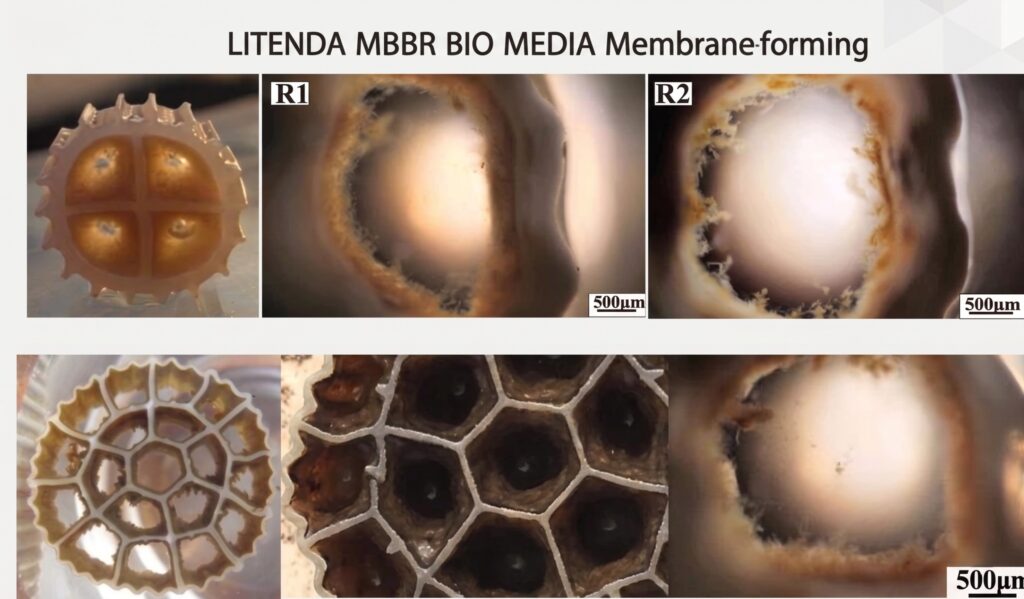
As vividly illustrated by the microscopic images above (R1, R2), the unique physicochemical properties of the LITENDA media surface actively facilitate the rapid attachment and growth of biofilms, thereby significantly shortening system start-up times and accelerating the ramp-up of treatment loads.
Massive Specific Surface Area & High Microbial Capacity:
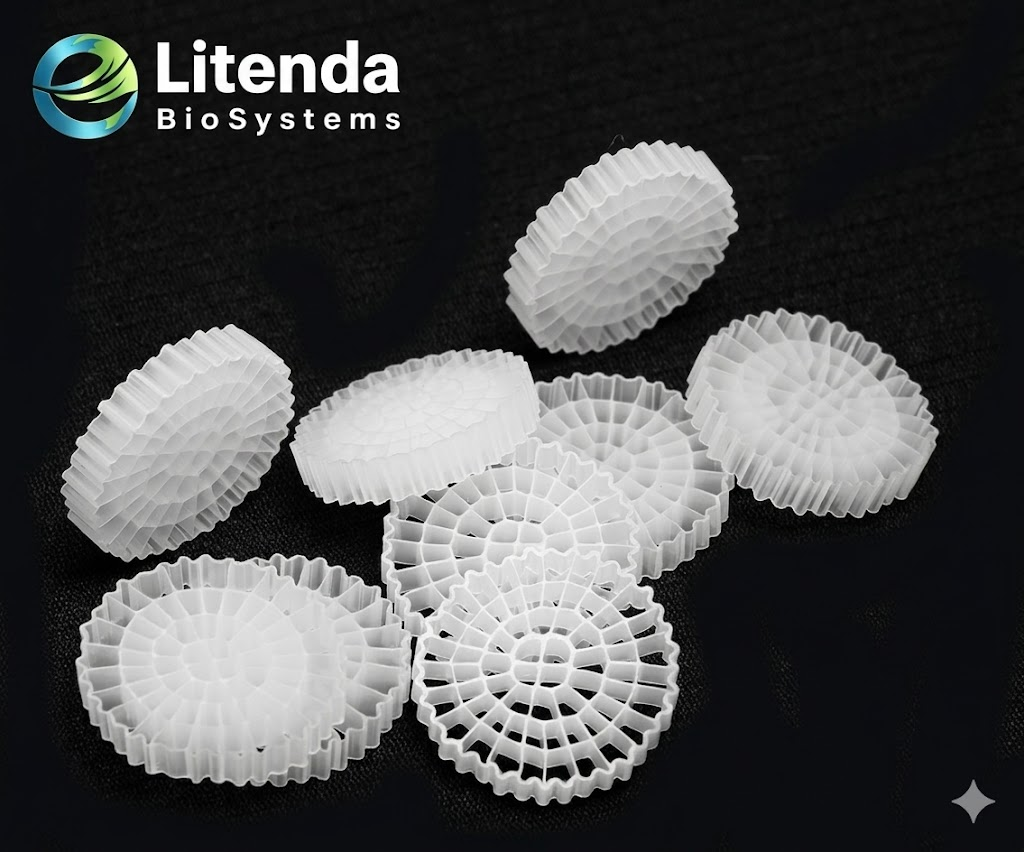
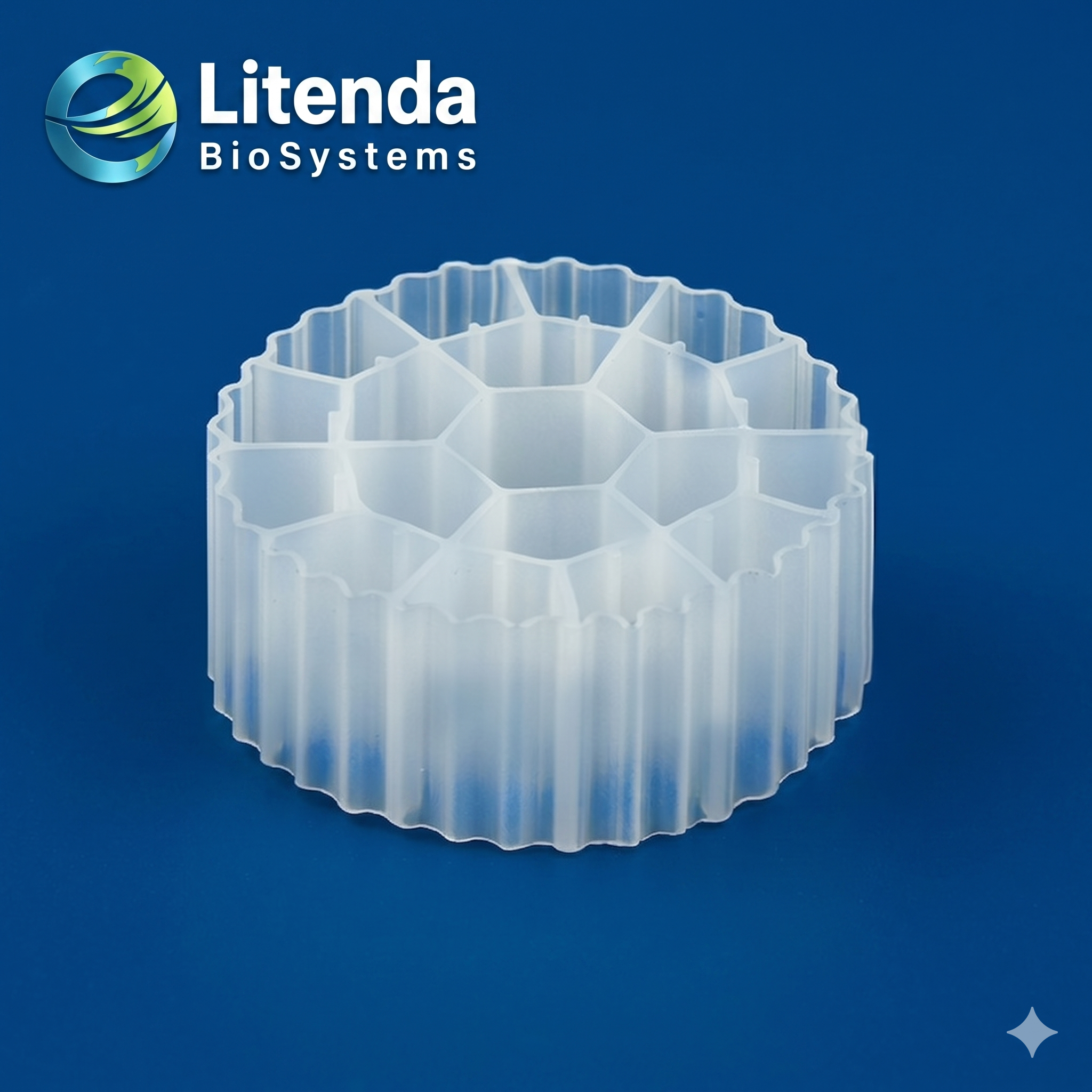
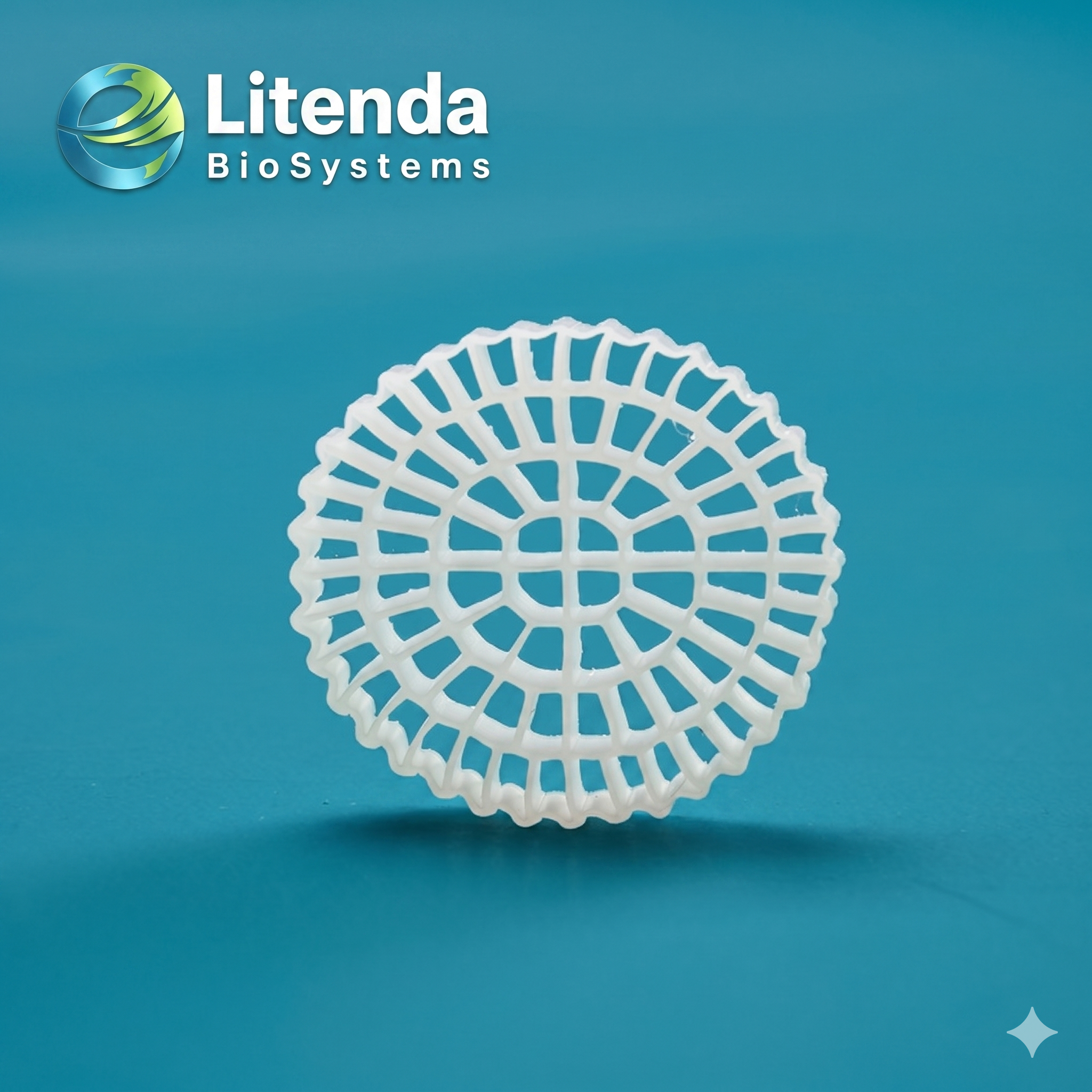
The intricate honeycomb and porous structure (shown in the macroscopic view on the left) provides an astonishingly large active surface area for microbial colonization. The microbial biomass supported per cubic meter of media is several times greater than that of traditional processes, leading to a substantial increase in pollutant degradation capacity.
Stable Operation & Efficient Pollutant Degradation:
The mature and dense biofilm system (shown in the bottom-center image) possesses exceptional resilience against shock loads. It effectively handles fluctuations in influent flow rates and concentrations, significantly boosting the removal efficiency of COD, BOD₅, and Ammonia Nitrogen.
Delivering to You:
Significantly Enhanced Treatment Efficiency
Greater System Operational Stability
Consistent Compliance with Effluent Standards
Start Your Wastewater Treatment Solution Now
With advanced wastewater treatment expertise, Litenda BioSystems delivers reliable biochemical pool solutions, premium MBBR systems, and customized engineering support for industrial and municipal water treatment projects.
Trusted Certification