
Hospital wastewater treatment is a critical process designed to remove harmful contaminants generated by healthcare facilities before the water is discharged into the environment. Hospital wastewater contains not only organic waste and suspended solids but also dangerous pollutants such as pharmaceuticals, chemicals, disinfectants, pathogens, viruses, bacteria, and laboratory waste. If untreated, this wastewater can seriously impact public health and aquatic ecosystems.
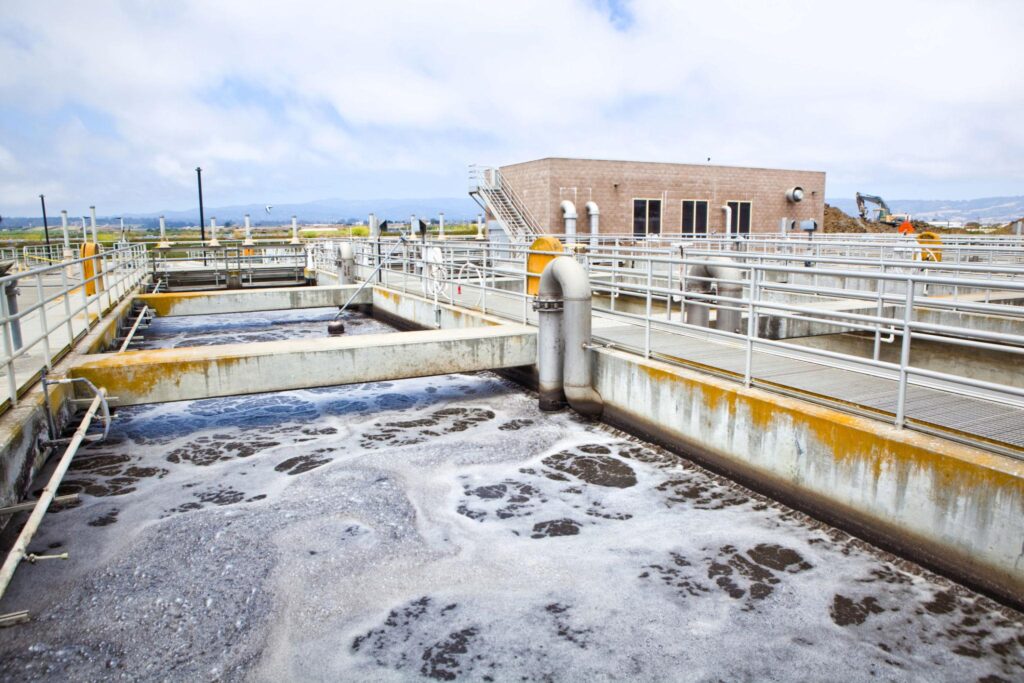
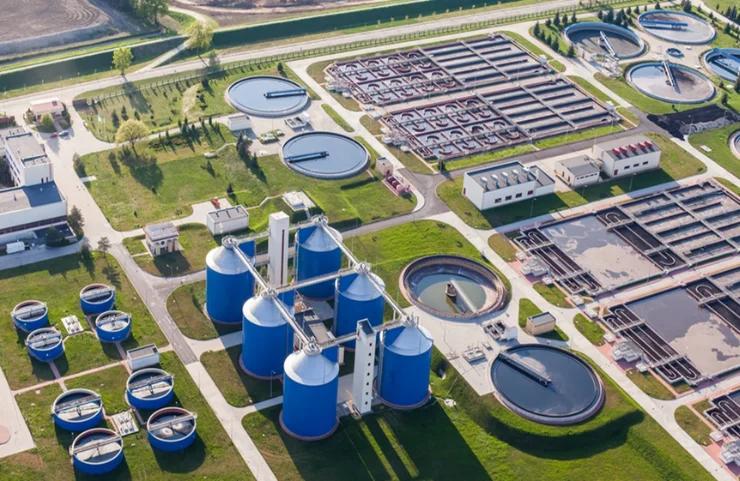
The treatment process usually starts with preliminary treatment, where large particles, plastics, and medical debris are removed through screening systems. This is followed by primary treatment, where suspended solids settle in sedimentation tanks. After that, the wastewater undergoes secondary or biological treatment, where microorganisms break down organic pollutants using aeration systems and biological reactors such as MBBR or activated sludge systems.
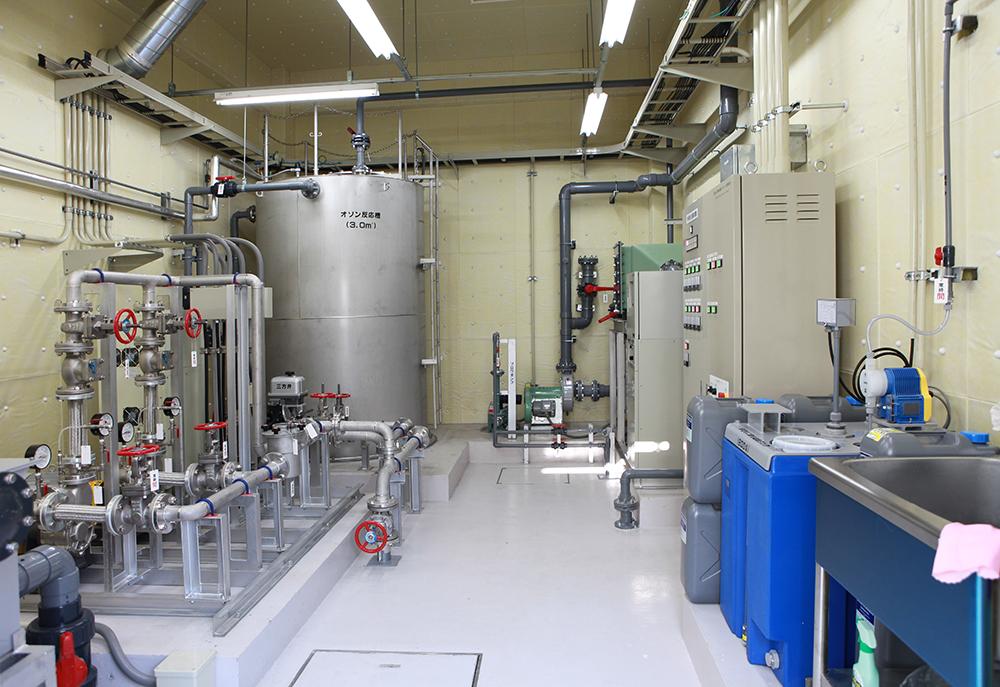
Because hospital wastewater contains harmful microorganisms and chemical residues, advanced tertiary treatment is extremely important. Technologies such as membrane filtration, UV disinfection, chlorination, and activated carbon filtration are commonly used to remove pathogens, pharmaceutical compounds, and fine contaminants. MBR membrane systems are especially effective because they provide high-quality treated water and excellent bacterial removal.
Sludge generated during the treatment process must also be handled carefully through thickening, dewatering, and safe disposal methods to prevent environmental contamination.
Modern hospital wastewater treatment systems help hospitals comply with environmental regulations while protecting water resources and public safety. With increasing healthcare activities worldwide, efficient and sustainable wastewater treatment technologies are becoming essential for maintaining a cleaner and healthier environment for future generations.