The food processing industry is one of the largest contributors to industrial wastewater generation worldwide. Wastewater produced from food factories contains organic matter, oils, grease, fats, suspended solids, nutrients, and cleaning chemicals. Industries such as dairy, beverage, meat processing, seafood, fruit and vegetable processing, and bakery manufacturing generate large volumes of wastewater every day. Proper wastewater treatment is essential to protect the environment and meet government discharge regulations.
Food processing wastewater typically has high Biological Oxygen Demand (BOD) and Chemical Oxygen Demand (COD), which can harm aquatic life if discharged untreated. Therefore, treatment systems are designed to remove pollutants efficiently before releasing the water into the environment or reusing it for industrial purposes.
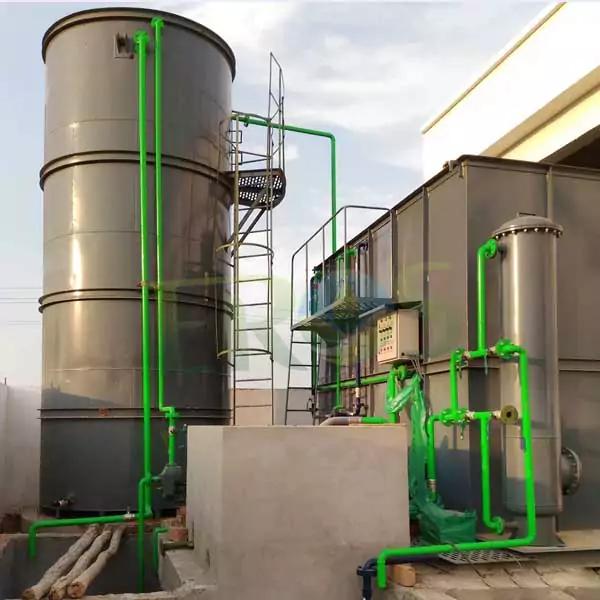
The treatment process usually begins with screening and grit removal to eliminate large particles and solid waste. Primary treatment helps separate oils, fats, and suspended solids. After this, biological treatment processes such as Activated Sludge Systems, MBBR (Moving Bed Biofilm Reactor), and Aeration Systems are used to break down organic pollutants using microorganisms.
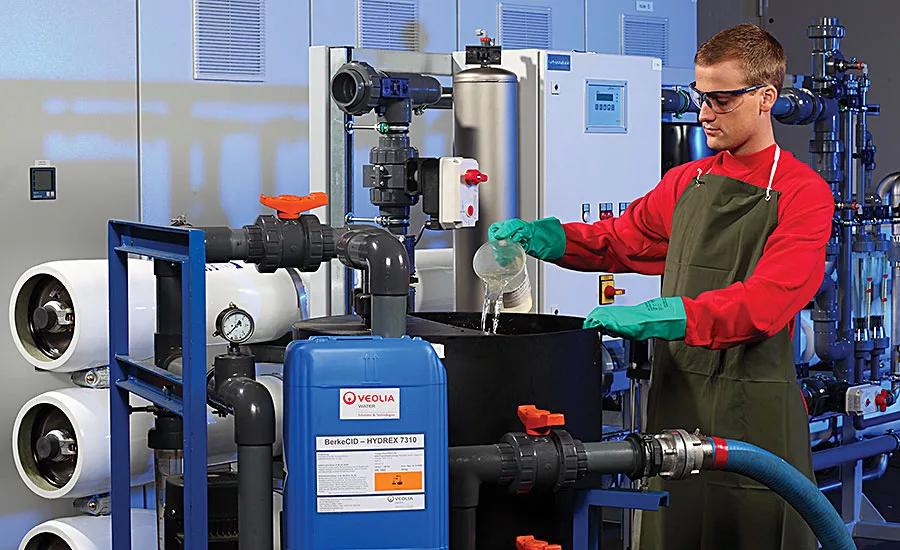
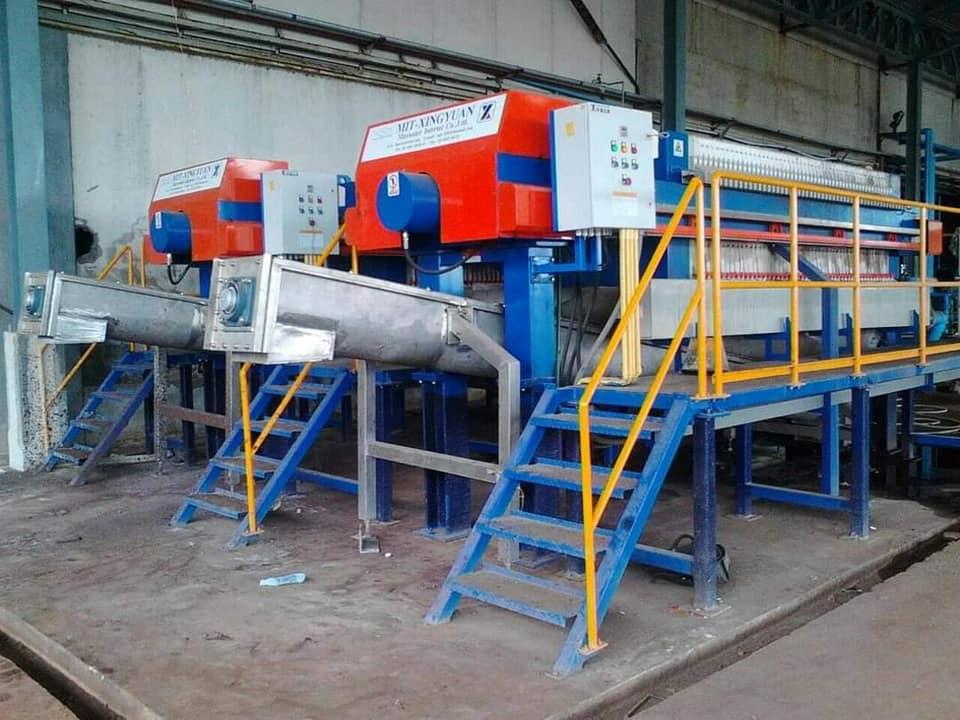
Advanced treatment technologies like membrane filtration, dissolved air flotation (DAF), and sludge dewatering equipment are also commonly used in modern food processing plants. These technologies improve water quality and reduce sludge disposal costs.
Effective wastewater treatment provides several benefits, including environmental protection, water conservation, odor control, and regulatory compliance. Many food industries are now investing in sustainable and energy-efficient treatment solutions to reduce operational costs and support eco-friendly production.
As global food demand continues to grow, efficient wastewater management will remain an important part of sustainable food processing operations.