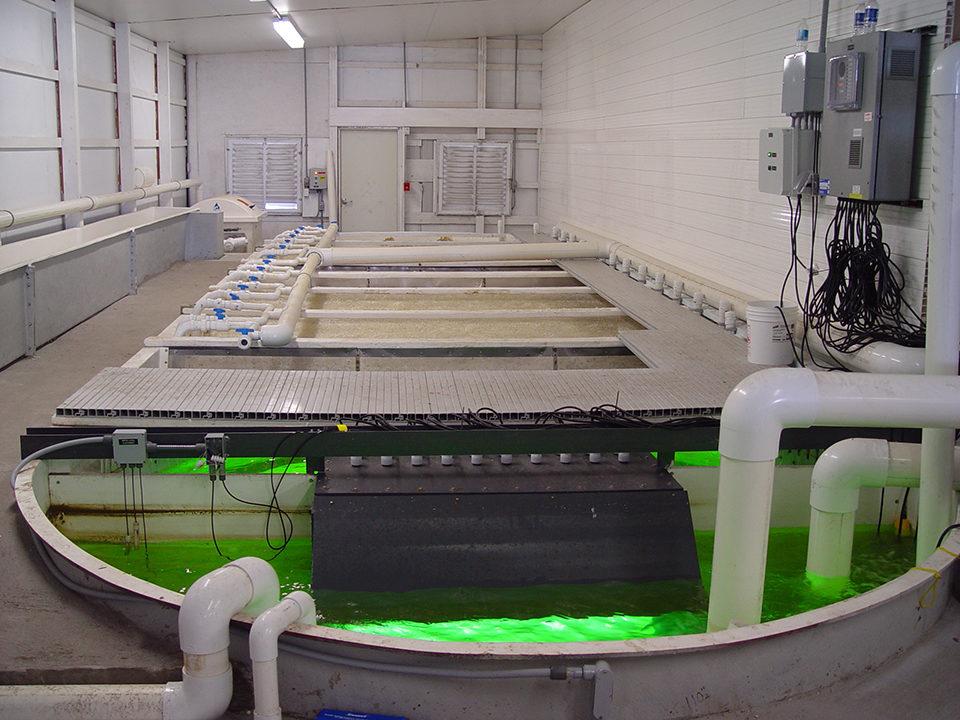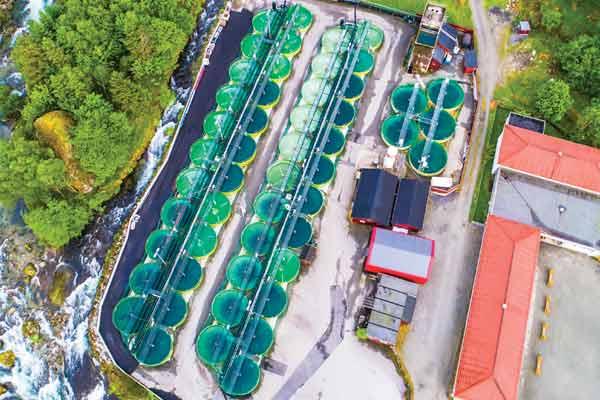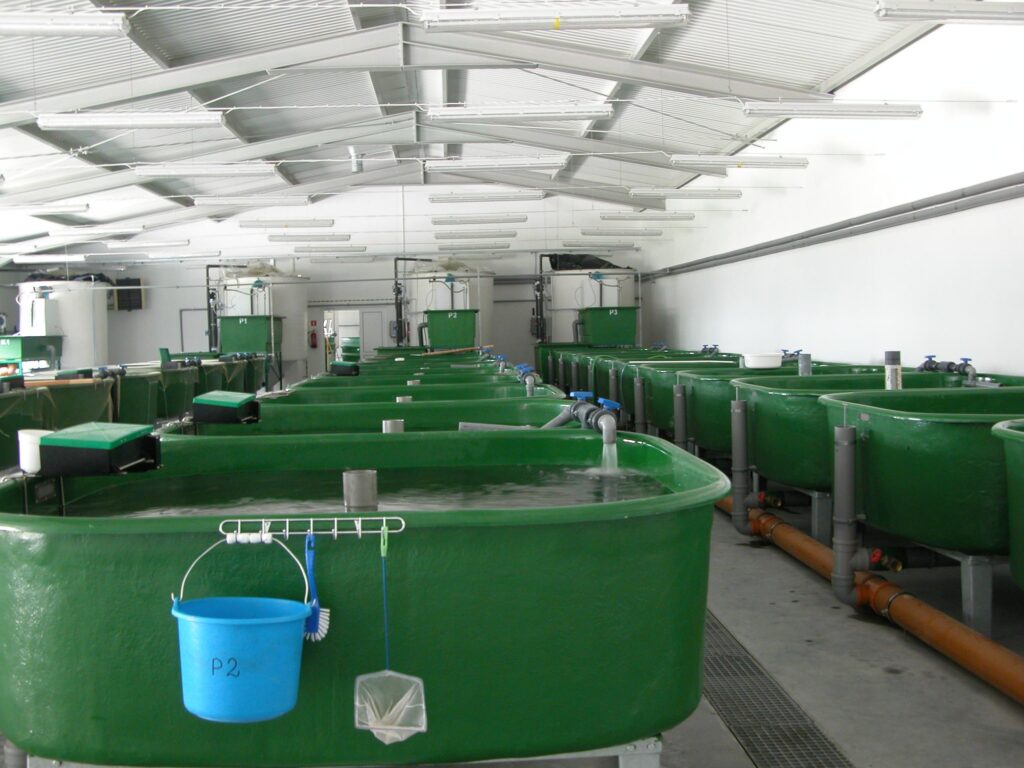
Recirculating Aquaculture System (RAS) treatment is an advanced water management technology used in modern aquaculture farms to maintain high water quality while reducing water consumption. RAS allows fish and other aquatic species to be cultivated in a controlled environment where water is continuously filtered, treated, and reused. This system is widely used for fish farming because it improves production efficiency, reduces environmental impact, and supports sustainable aquaculture development.
In an RAS facility, water from fish tanks passes through several treatment stages to remove waste and maintain healthy living conditions. Mechanical filtration is the first step, where solid waste such as uneaten feed and fish waste is removed. After this, biological filtration systems use beneficial bacteria to break down harmful ammonia and nitrite produced by fish metabolism.
Aeration and oxygenation systems are also important components of RAS treatment. They maintain dissolved oxygen levels required for fish survival and healthy growth. Technologies such as biofilters, MBBR media, protein skimmers, UV sterilizers, and ozone systems are commonly used to improve water quality and control harmful pathogens.
One of the major advantages of RAS technology is its ability to save water compared to traditional aquaculture systems. Since most of the water is recycled, RAS can operate efficiently even in areas with limited water resources. It also reduces pollution discharge into the environment.
Today, RAS treatment systems are becoming increasingly popular worldwide due to their high productivity, biosecurity, and environmental sustainability. They represent the future of modern aquaculture and sustainable seafood production.