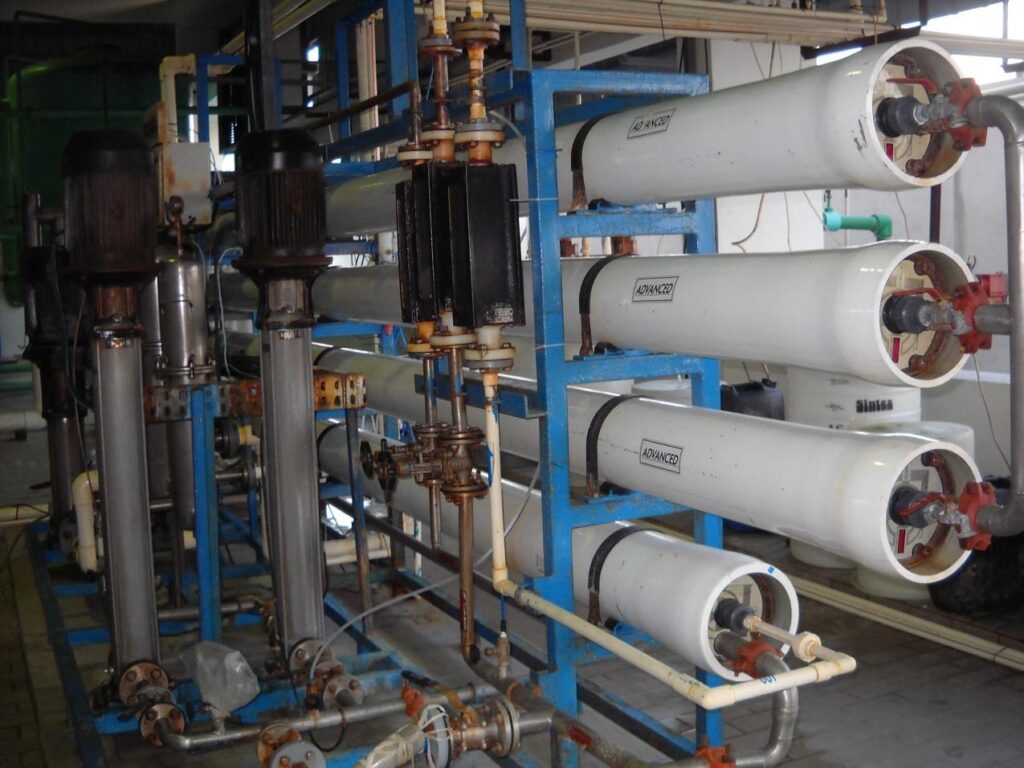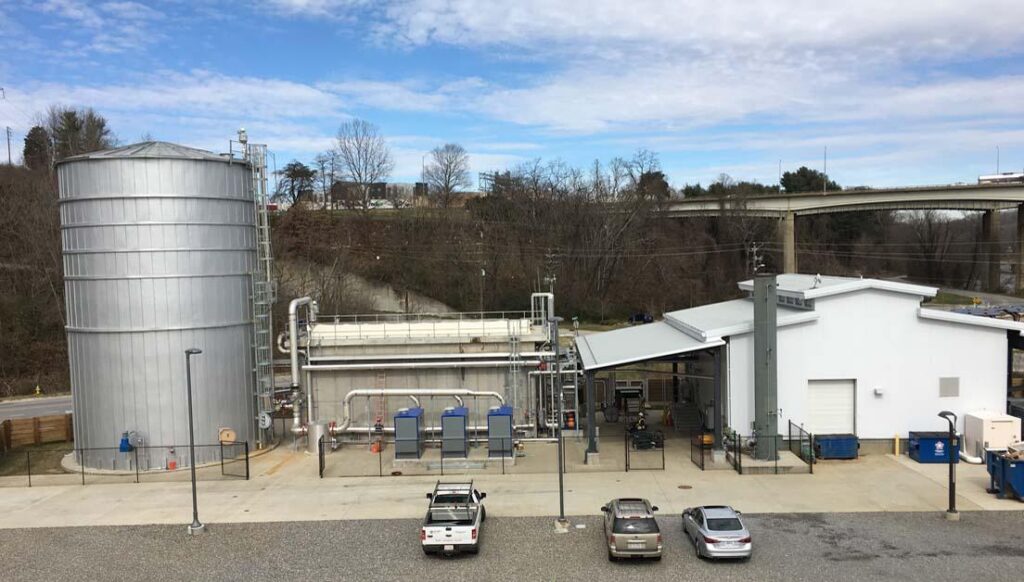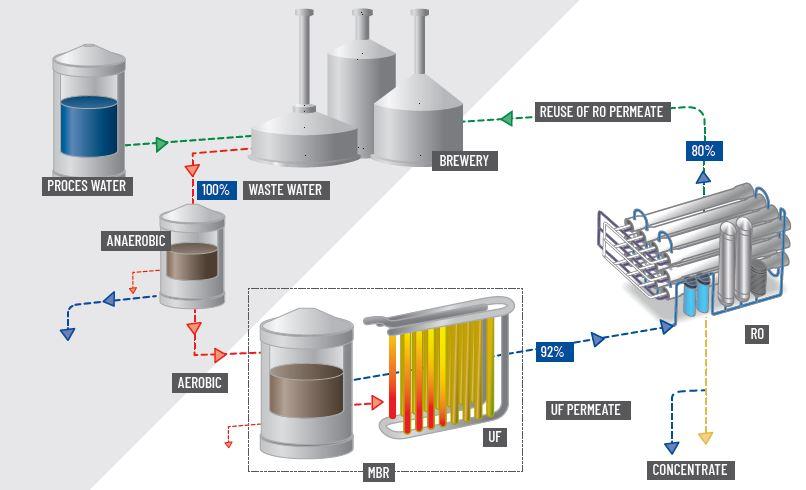

Brewery wastewater treatment is an essential process in the brewing industry to manage the large volume of wastewater generated during beer production. Brewing operations such as washing, fermentation, bottling, cooling, and cleaning produce wastewater containing organic matter, suspended solids, sugars, yeast, alcohol, and cleaning chemicals. If discharged without proper treatment, this wastewater can cause serious environmental pollution and harm aquatic ecosystems.
Brewery wastewater typically has high Biological Oxygen Demand (BOD) and Chemical Oxygen Demand (COD), which means it contains a large amount of biodegradable organic material. Effective treatment is necessary to meet environmental regulations and reduce the impact on water resources.
The treatment process usually starts with preliminary treatment, where screens and grit chambers remove large particles and solid waste. After this, equalization tanks balance the wastewater flow and stabilize pH levels. Primary treatment then removes suspended solids through sedimentation.
The most important stage is biological treatment, where microorganisms break down organic pollutants. Technologies such as Aeration Systems, MBBR (Moving Bed Biofilm Reactor), Activated Sludge Process, and Anaerobic Treatment Systems are commonly used in brewery wastewater plants. These systems efficiently reduce BOD, COD, and odor while improving water quality.
After biological treatment, clarification and disinfection processes further purify the water before discharge or reuse. Sludge generated during treatment is also dewatered and managed safely.
Modern brewery wastewater treatment systems help breweries reduce environmental impact, lower operational costs, conserve water, and support sustainable production practices. Efficient wastewater management is becoming increasingly important as breweries focus on environmental responsibility and long-term sustainability.