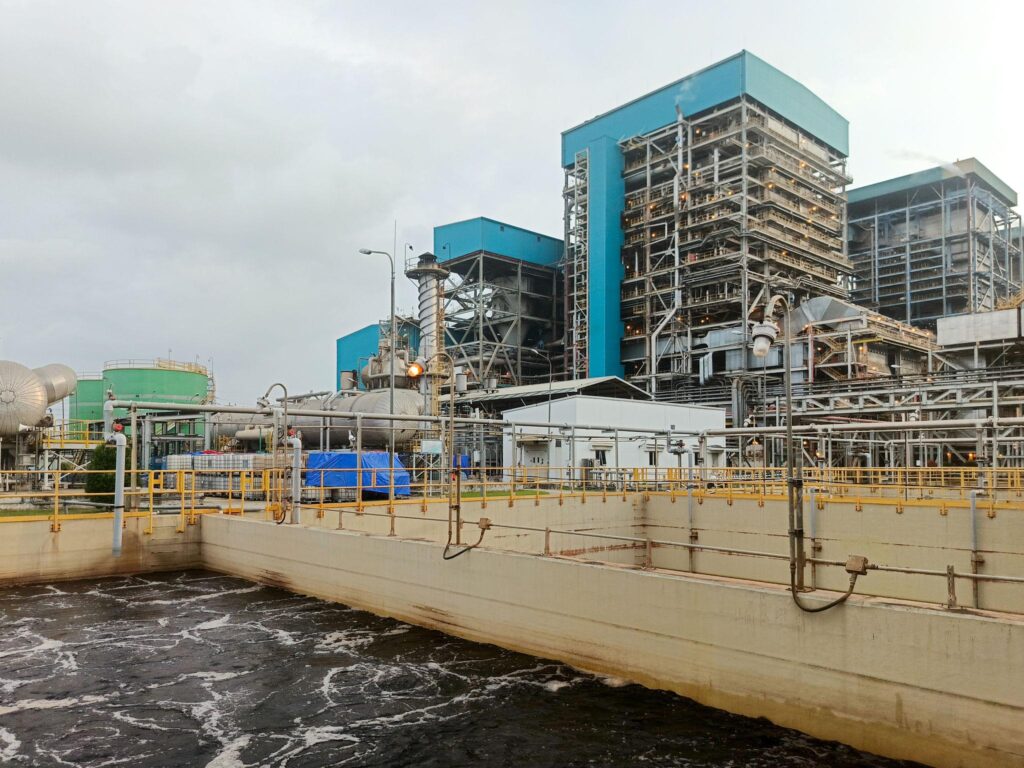
Industrial wastewater treatment is the process of removing harmful contaminants from water generated by factories, manufacturing plants, and industrial facilities before it is discharged or reused. Industries such as textiles, food processing, pharmaceuticals, chemicals, mining, and metal processing produce wastewater containing oils, grease, heavy metals, toxic chemicals, suspended solids, and organic pollutants. Proper treatment is essential to protect the environment, public health, and water resources.
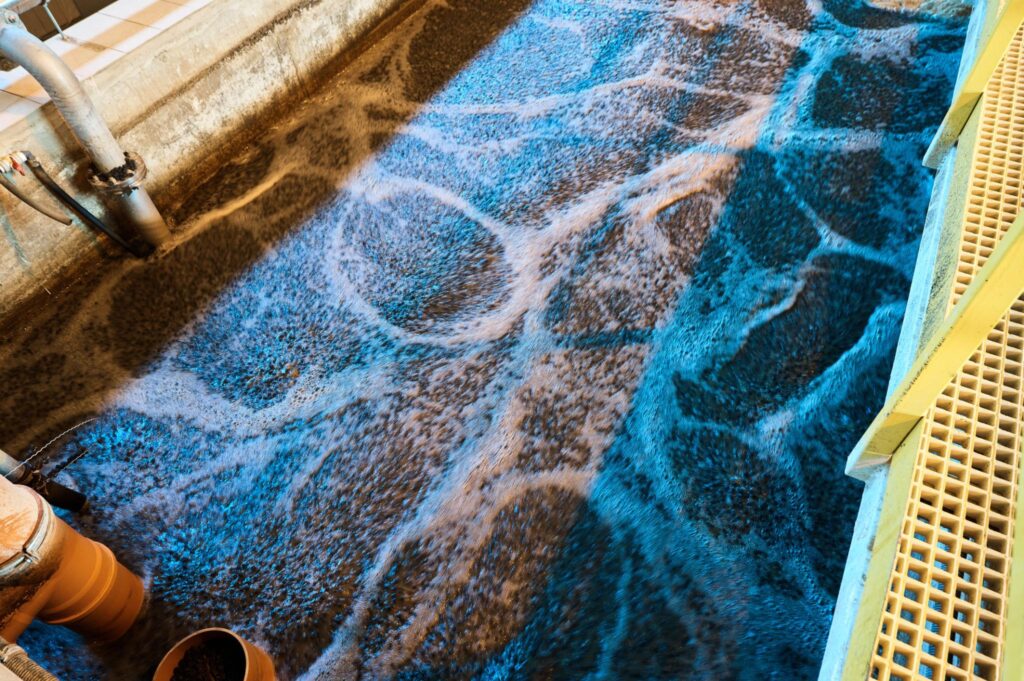
The treatment process usually starts with preliminary and primary treatment, where large particles, debris, and suspended solids are removed through screening, sedimentation, and oil separation systems. After this, the wastewater undergoes secondary or biological treatment. In this stage, microorganisms break down organic pollutants using oxygen supplied through aeration systems. Technologies such as MBBR (Moving Bed Biofilm Reactor), activated sludge systems, and membrane bioreactors are commonly used for efficient biological treatment.
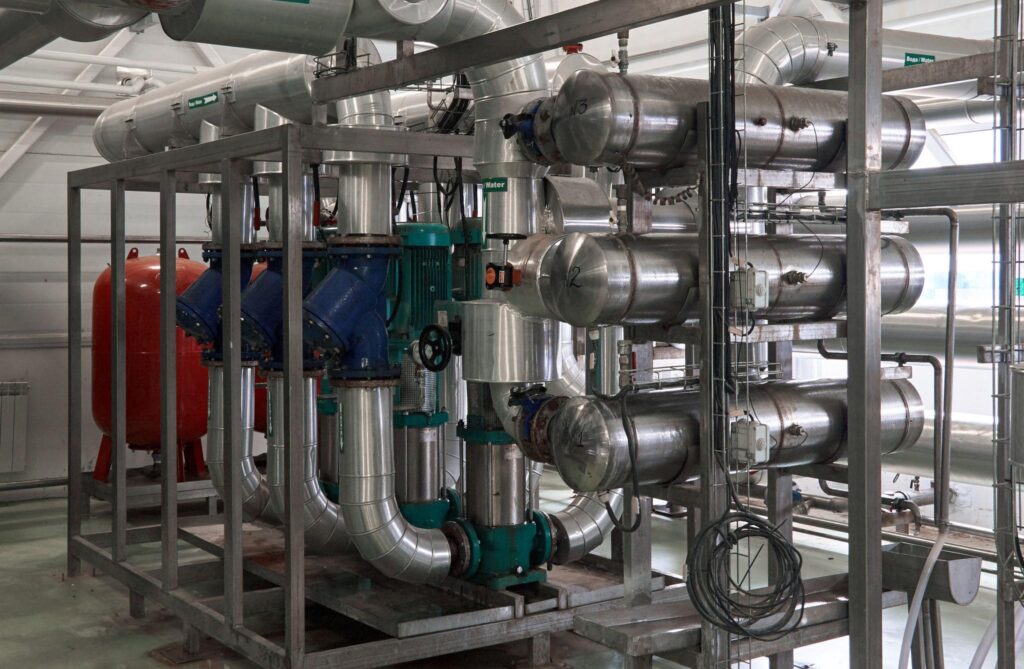
For industries with stricter discharge standards, tertiary treatment is applied to remove fine particles, nutrients, dissolved chemicals, and pathogens. Advanced technologies such as membrane filtration, activated carbon filters, reverse osmosis, and UV disinfection help improve water quality and allow water reuse in industrial operations.
Industrial wastewater treatment also includes sludge management, where sludge generated during treatment is thickened, dewatered, and safely disposed of or reused.
Modern industrial treatment systems help industries reduce environmental pollution, comply with government regulations, conserve water, and lower operational costs. With increasing environmental awareness and stricter regulations worldwide, efficient industrial wastewater treatment has become an essential part of sustainable industrial development.