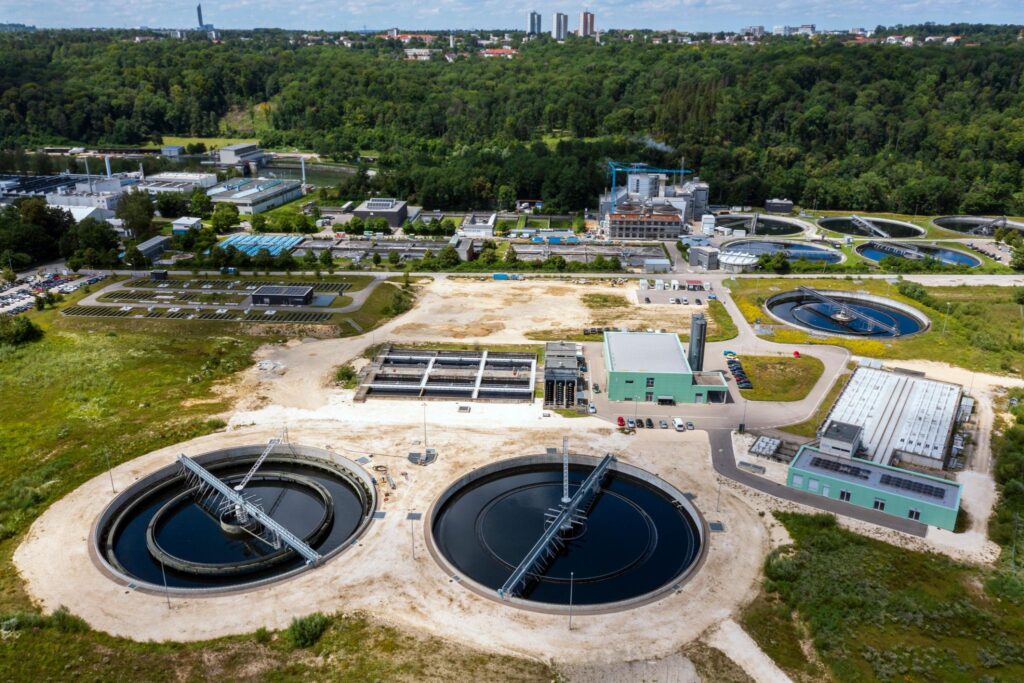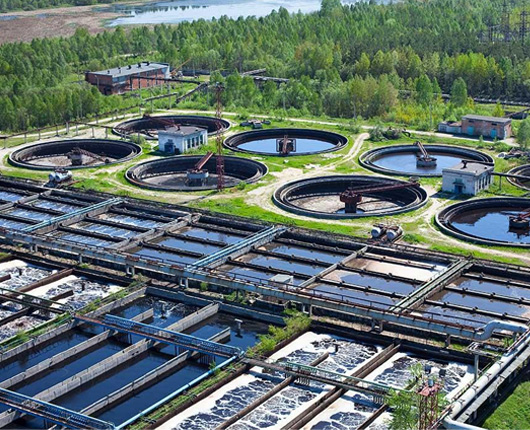
Municipal wastewater is the used water generated from homes, offices, schools, hospitals, restaurants, and other urban facilities. This wastewater contains organic matter, suspended solids, harmful bacteria, chemicals, oils, and nutrients that can pollute the environment if released untreated. Municipal wastewater treatment is therefore essential for protecting public health, conserving water resources, and maintaining a clean environment.
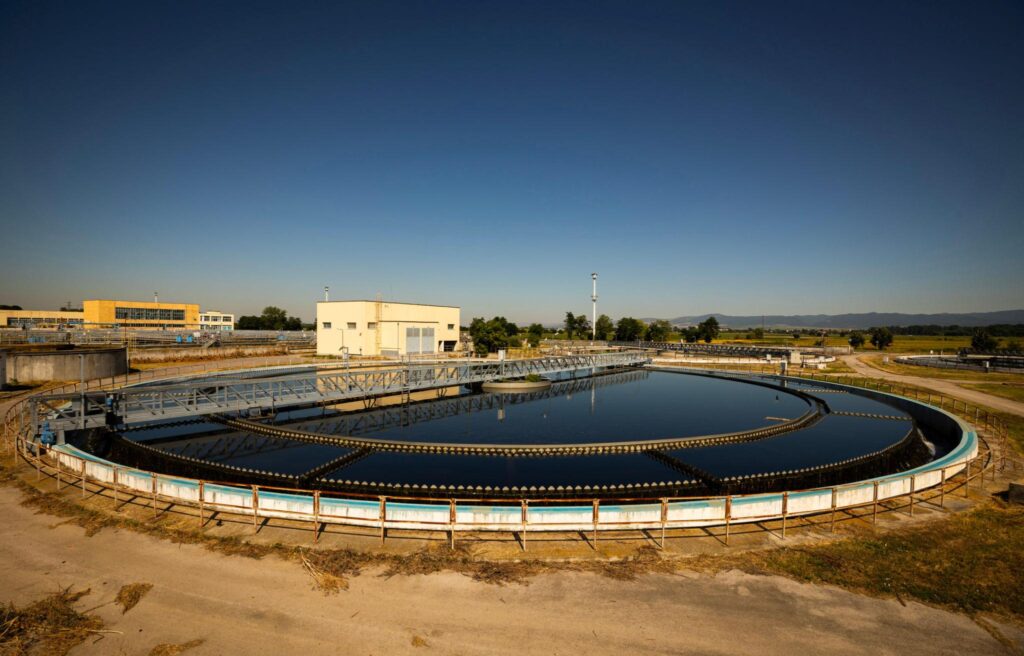
The treatment process usually begins with preliminary treatment, where large debris, sand, and grit are removed through screening and grit chambers. After this, wastewater enters primary treatment tanks where heavier solids settle at the bottom and oils float to the surface for removal.
The most important stage is secondary or biological treatment. In this process, microorganisms break down dissolved organic pollutants using oxygen supplied by aeration systems. Technologies such as Activated Sludge Process, MBBR systems, and MBR membrane systems are widely used in modern treatment plants because they provide efficient and reliable performance.
After biological treatment, the water passes through clarification and disinfection processes to remove remaining particles and harmful microorganisms. In some plants, advanced tertiary treatment is also used for water reuse applications.
Municipal wastewater treatment plants also handle sludge produced during treatment. Sludge is thickened, dewatered, and safely disposed of or reused.
Modern wastewater treatment helps reduce pollution, protect aquatic life, and support sustainable urban development. With growing populations and increasing water demand, advanced wastewater treatment technologies are becoming more important worldwide for ensuring clean water and environmental sustainability.